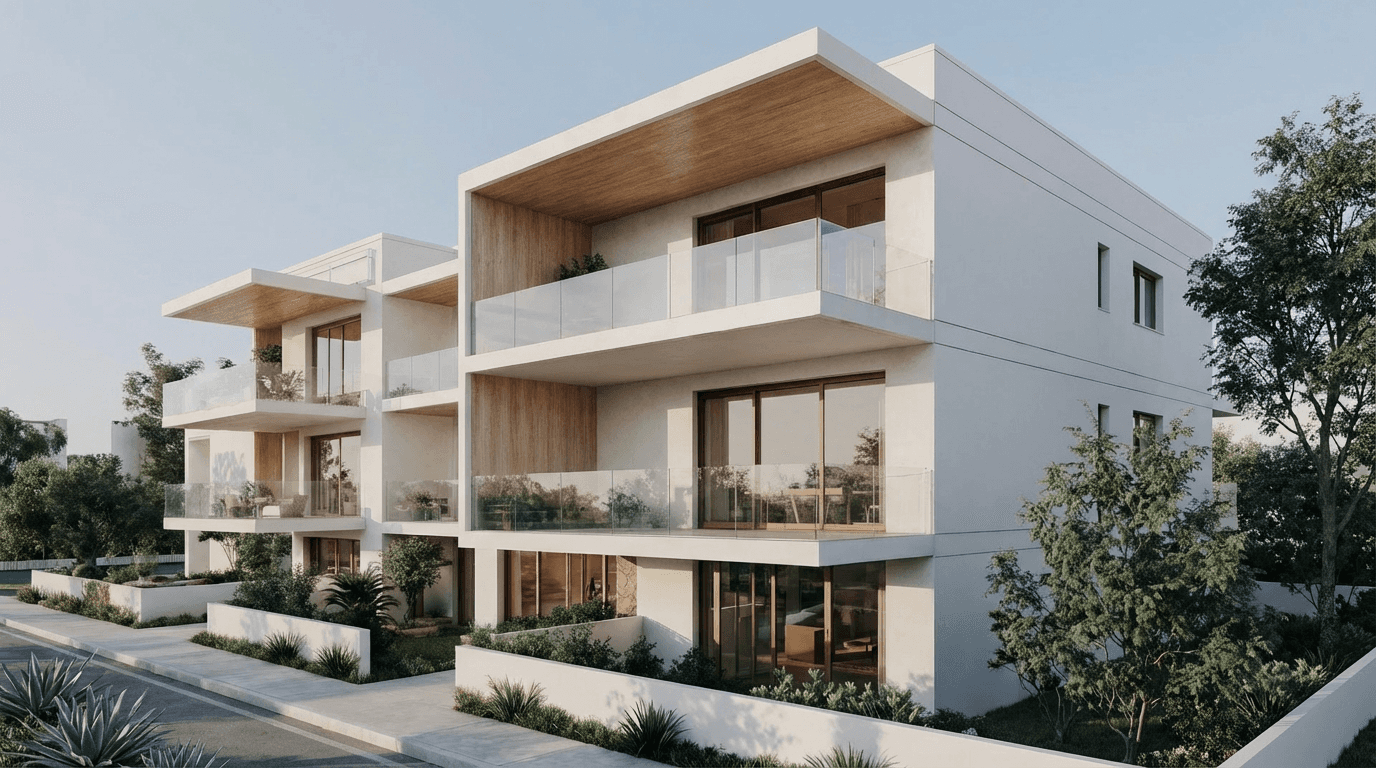
Multi-Family Services
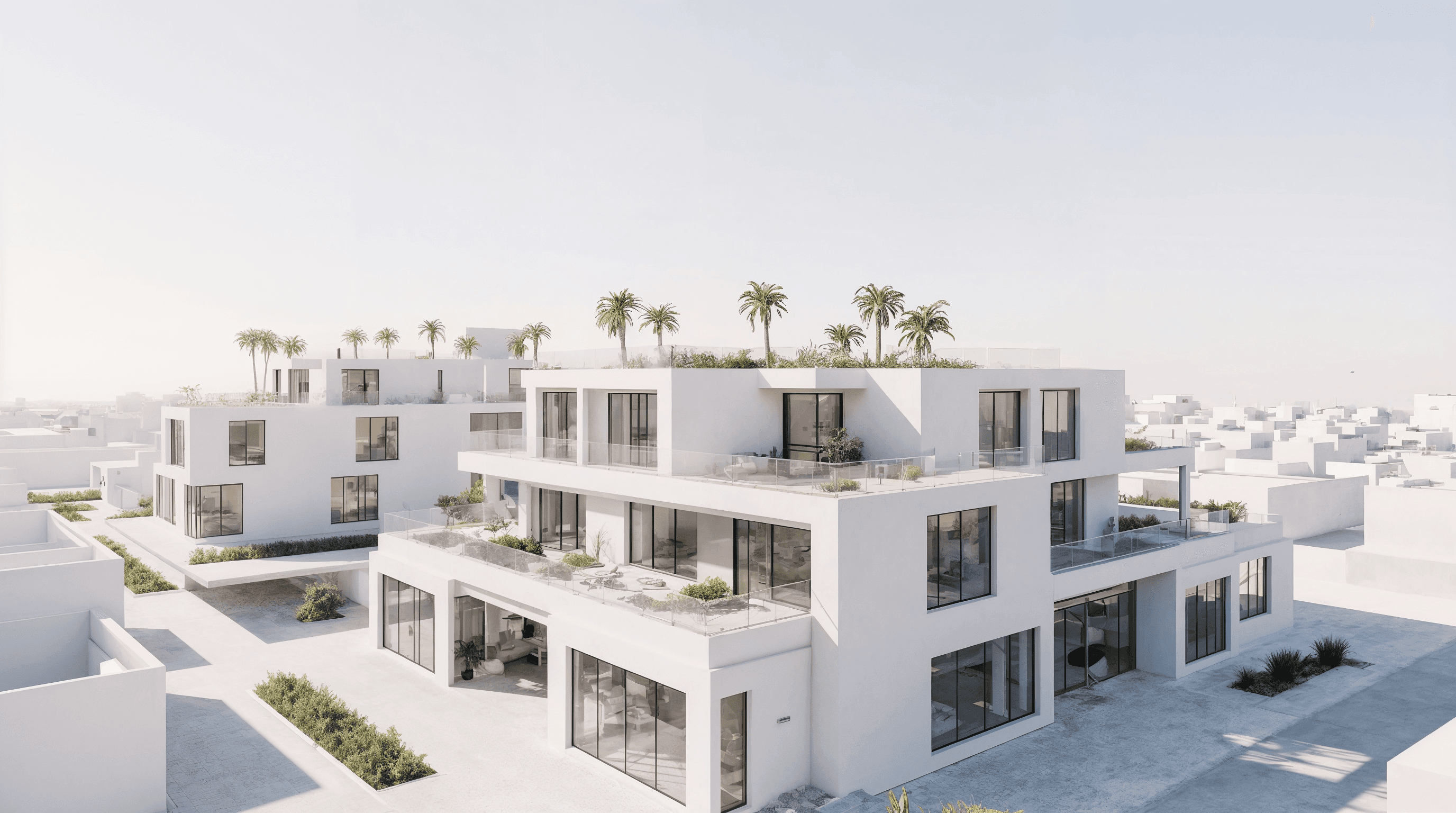
Luxury Multi-Family
We design luxury multi-family developments across low-density, high-density, and mixed-use typologies—creating elevated residential environments that stand out in competitive markets. Each project is crafted to enhance spatial experience, architectural identity, and amenity integration, attracting high-value tenants and maximizing asset performance. Our designs focus on differentiation, combining refined aesthetics with functional planning to deliver developments that achieve higher rents, stronger occupancy, and long-term market appeal across a range of densities and urban contexts.
Designed for everyday living and long-term value.
Differentiation
Experience
Home Expansions
Luxury Multi-Family
We design luxury multi-family developments across low-density, high-density, and mixed-use typologies—creating elevated residential environments that stand out in competitive markets. Each project is crafted to enhance spatial experience, architectural identity, and amenity integration, attracting high-value tenants and maximizing asset performance. Our designs focus on differentiation, combining refined aesthetics with functional planning to deliver developments that achieve higher rents, stronger occupancy, and long-term market appeal across a range of densities and urban contexts.
Designed for everyday living and long-term value.
Differentiation
Experience
Performance
Luxury Multi-Family
We design luxury multi-family developments across low-density, high-density, and mixed-use typologies—creating elevated residential environments that stand out in competitive markets. Each project is crafted to enhance spatial experience, architectural identity, and amenity integration, attracting high-value tenants and maximizing asset performance. Our designs focus on differentiation, combining refined aesthetics with functional planning to deliver developments that achieve higher rents, stronger occupancy, and long-term market appeal across a range of densities and urban contexts.
Designed for everyday living and long-term value.
Differentiation
Experience
Home Expansions
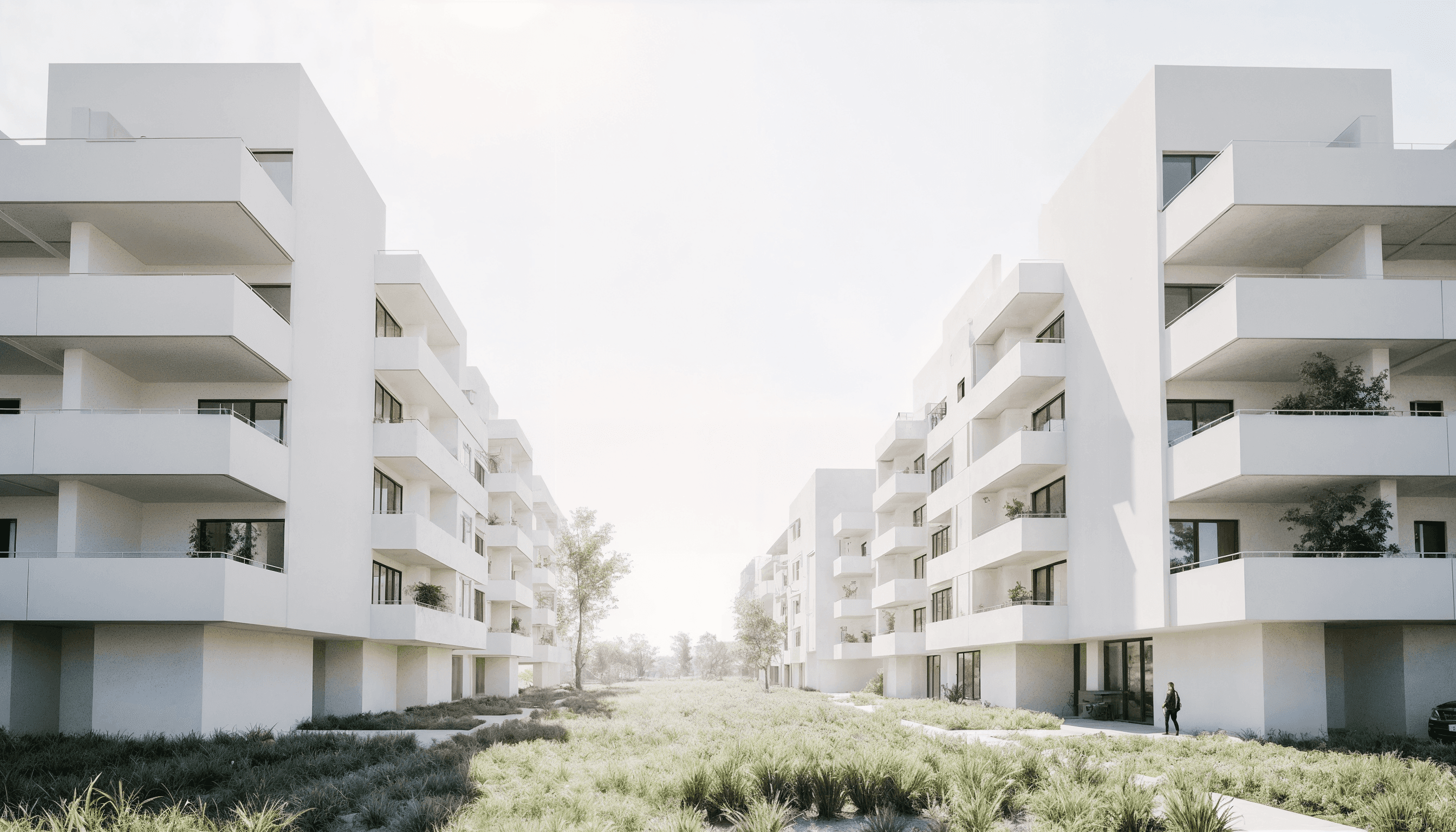
Affordable Multi-Family
We design affordable multi-family housing across low-density, high-density, and mixed-use developments—balancing cost-efficiency with thoughtful, livable design. Our approach focuses on maximizing unit yield, optimizing layouts, and streamlining construction to deliver projects that are financially viable and scalable across different site conditions. Each development is strategically planned to meet budget constraints while maintaining quality, creating functional, well-organized communities that support everyday living and long-term value for both residents and developers.
Maximize yield. Optimize cost. Deliver impact.
Efficiency
Scalibility
Yield
Services
Site Planning & Feasibility
Concept Design & Development
3D Visualization & Project Clarity
Design Development & Documentation
Entitlement & Approval Support
Low-Denisty
Low-density multi-family projects—duplexes, triplexes, townhomes, and small clusters—represent one of the most accessible and resilient development strategies in California’s evolving housing landscape. hese projects allow developers to unlock value in underutilized residential lots while navigating entitlement processes more efficiently than larger developments.
From a design standpoint, OUTelier approaches low-density housing as a balance between privacy and density—creating layouts that feel like single-family homes while increasing unit count. This includes optimizing unit stacking, maximizing natural light, and designing efficient circulation to reduce construction costs without sacrificing livability. Thoughtful planning also allows for phased development strategies, enabling flexibility in financing and execution.
Financially, low-density projects benefit from lower upfront capital requirements, faster approval timelines, and reduced construction complexity. In high-demand California markets, they offer strong resale potential, stable rental income, and lower risk exposure compared to large-scale developments. These projects are ideal for developers looking to scale gradually, test markets, or maximize returns on smaller parcels with high upside potential.
High-Density
High-density multi-family developments are the most powerful tool for maximizing land value in competitive urban markets. Whether mid-rise or large-scale residential buildings, these projects capitalize on zoning allowances, transit-oriented development incentives, and increasing housing demand to deliver significant long-term returns.
OUTelier approaches high-density design through efficiency and differentiation. Unit layouts are optimized for repetition and cost control, while circulation, amenity spaces, and façade articulation are carefully designed to elevate the overall experience. We focus on creating buildings that are not only efficient to build, but also competitive in the market—attracting higher-quality tenants and achieving stronger occupancy rates.
From an investment perspective, high-density projects offer the highest revenue potential per site, driven by increased unit count and rental yield. While they require greater upfront capital and more complex approvals, they benefit from economies of scale, making cost per unit more efficient over time. In California’s supply-constrained cities, these developments are positioned to generate strong cash flow, long-term appreciation, and institutional-level asset value.
Mix-use
Mixed-use developments combine residential, commercial, and sometimes retail or office components into a single, integrated project—making them one of the most dynamic and future-proof investment strategies in California. These projects are especially valuable in urban and suburban nodes where walkability, density, and lifestyle integration drive demand.
At OUTelier, mixed-use design is approached as a layered system—carefully organizing public and private zones, circulation, and program distribution to create cohesive yet flexible environments. Ground-floor activation through retail or commercial spaces enhances street presence and increases property value, while upper-level residential units benefit from both privacy and proximity to amenities. The design prioritizes adaptability, allowing spaces to evolve with market demands over time.
Financially, mixed-use projects offer diversified revenue streams, reducing risk by combining residential rental income with commercial leasing opportunities. They also tend to achieve higher overall property valuations due to their complexity and income potential. In competitive real estate markets, mixed-use developments provide a strategic advantage—positioning assets for stronger returns, long-term resilience, and increased appeal to both tenants and investors.
Low-Denisty
Low-density multi-family projects—duplexes, triplexes, townhomes, and small clusters—represent one of the most accessible and resilient development strategies in California’s evolving housing landscape. hese projects allow developers to unlock value in underutilized residential lots while navigating entitlement processes more efficiently than larger developments.
From a design standpoint, OUTelier approaches low-density housing as a balance between privacy and density—creating layouts that feel like single-family homes while increasing unit count. This includes optimizing unit stacking, maximizing natural light, and designing efficient circulation to reduce construction costs without sacrificing livability. Thoughtful planning also allows for phased development strategies, enabling flexibility in financing and execution.
Financially, low-density projects benefit from lower upfront capital requirements, faster approval timelines, and reduced construction complexity. In high-demand California markets, they offer strong resale potential, stable rental income, and lower risk exposure compared to large-scale developments. These projects are ideal for developers looking to scale gradually, test markets, or maximize returns on smaller parcels with high upside potential.
High-Density
High-density multi-family developments are the most powerful tool for maximizing land value in competitive urban markets. Whether mid-rise or large-scale residential buildings, these projects capitalize on zoning allowances, transit-oriented development incentives, and increasing housing demand to deliver significant long-term returns.
OUTelier approaches high-density design through efficiency and differentiation. Unit layouts are optimized for repetition and cost control, while circulation, amenity spaces, and façade articulation are carefully designed to elevate the overall experience. We focus on creating buildings that are not only efficient to build, but also competitive in the market—attracting higher-quality tenants and achieving stronger occupancy rates.
From an investment perspective, high-density projects offer the highest revenue potential per site, driven by increased unit count and rental yield. While they require greater upfront capital and more complex approvals, they benefit from economies of scale, making cost per unit more efficient over time. In California’s supply-constrained cities, these developments are positioned to generate strong cash flow, long-term appreciation, and institutional-level asset value.
Mix-use
Mixed-use developments combine residential, commercial, and sometimes retail or office components into a single, integrated project—making them one of the most dynamic and future-proof investment strategies in California. These projects are especially valuable in urban and suburban nodes where walkability, density, and lifestyle integration drive demand.
At OUTelier, mixed-use design is approached as a layered system—carefully organizing public and private zones, circulation, and program distribution to create cohesive yet flexible environments. Ground-floor activation through retail or commercial spaces enhances street presence and increases property value, while upper-level residential units benefit from both privacy and proximity to amenities. The design prioritizes adaptability, allowing spaces to evolve with market demands over time.
Financially, mixed-use projects offer diversified revenue streams, reducing risk by combining residential rental income with commercial leasing opportunities. They also tend to achieve higher overall property valuations due to their complexity and income potential. In competitive real estate markets, mixed-use developments provide a strategic advantage—positioning assets for stronger returns, long-term resilience, and increased appeal to both tenants and investors.